
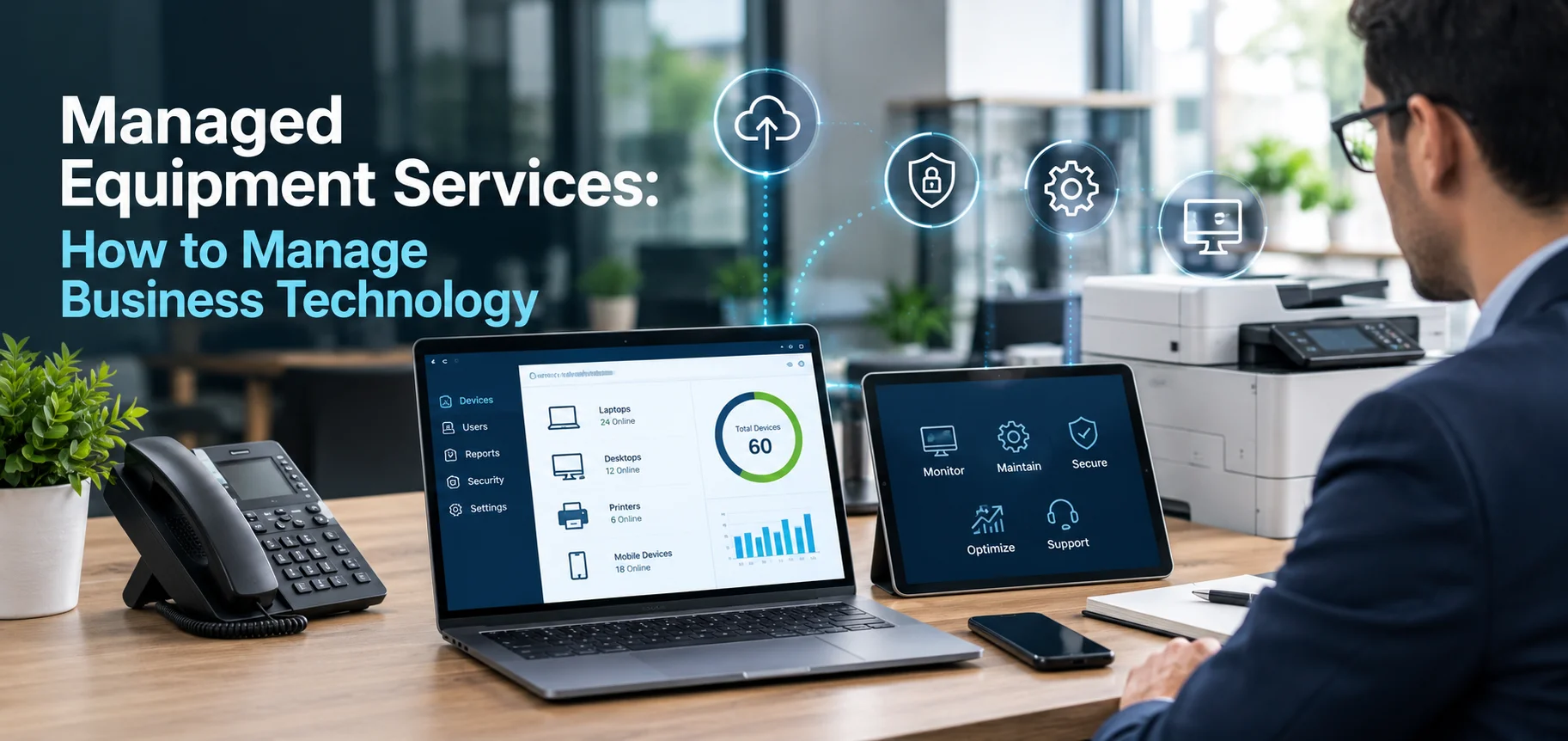
Modern businesses depend on reliable technology to deliver services, improve productivity, and remain competitive. From computers and communication systems to specialized medical equipment and industrial machinery, the right tools help organizations operate smoothly. However, purchasing, maintaining, upgrading, and replacing equipment can become expensive and time-consuming. This is where Managed Equipment Services offers a practical solution for businesses seeking better control over their technology.
Managed Equipment Services provides a structured approach to equipment management by allowing organizations to work with specialized service providers responsible for maintaining equipment throughout its lifecycle. Instead of managing every technical issue internally, businesses can rely on professional support, planned maintenance, and equipment upgrades under an agreed service arrangement.
Understanding Managed Equipment Services
Managed Equipment Services is a service-based arrangement in which a specialist provider takes responsibility for managing equipment over an agreed period. Depending on the contract, this responsibility may include equipment selection, installation, maintenance, repairs, replacement, upgrades, and technical support.
Rather than purchasing every piece of equipment and handling all its ongoing requirements independently, an organization works with a provider that coordinates these activities as part of a broader service package.
For example, a healthcare facility may use this model to manage diagnostic equipment, patient monitoring systems, and other essential medical technology. A manufacturing company might use a similar arrangement for production machinery, inspection tools, and technical systems.
The exact services depend on the provider, industry, equipment requirements, and contract terms. Some arrangements include equipment financing, while others focus primarily on maintenance and lifecycle management.
How the Service Model Works
A typical Managed Equipment Services agreement follows several stages:
- Assessment: The provider evaluates existing equipment, business needs, operational risks, and future technology requirements.
- Planning: Both parties establish an equipment strategy, service standards, maintenance schedules, and replacement priorities.
- Implementation: Required equipment is supplied, installed, configured, or integrated into existing operations.
- Ongoing management: The provider coordinates maintenance, technical support, performance monitoring, and agreed repairs.
- Review and renewal: Equipment performance and service quality are reviewed to determine whether upgrades, replacements, or contract adjustments are necessary.
This structured process helps businesses move from reactive equipment management toward a more organized and proactive approach.
Why Businesses Choose Managed Equipment Services
Equipment problems can interrupt daily operations, delay important work, and create unexpected expenses. A well-designed service arrangement can help businesses address these challenges before they become serious problems.
Better Cost Planning
Buying equipment often requires a significant initial investment. Additional costs may include installation, software, spare parts, staff training, maintenance, and eventual replacement.
Managed Equipment Services may combine several expenses into predictable contractual payments. This can make budgeting easier and help management understand the expected cost of operating essential technology.
However, predictable payments do not automatically mean lower total costs. Businesses should compare the full contract value with the cost of purchasing and managing equipment independently.
Improved Equipment Reliability
Unexpected equipment failures can affect productivity and customer satisfaction. Scheduled maintenance and timely repairs help reduce the risk of avoidable breakdowns.
A specialist provider may also identify aging components, recurring faults, and performance issues before they cause significant disruption.
For organizations that depend on continuous equipment availability, this proactive approach can support smoother operations and greater confidence in daily workflows.
Access to Specialist Expertise
Technology changes quickly, and maintaining every necessary technical skill internally can be difficult. Managed services allow businesses to access qualified technicians and equipment specialists without building every capability in-house.
Depending on the agreement, support may cover troubleshooting, installation, configuration, compliance documentation, and technology planning.
More Time for Core Business Activities
Managing equipment requires administrative work, supplier communication, repair coordination, and replacement planning. Outsourcing these responsibilities can give internal teams more time to focus on customers, employees, service delivery, and business growth.
Key Components of a Managed Equipment Services Agreement
A successful agreement should clearly explain which responsibilities belong to the provider and which remain with the customer.
Equipment Selection and Installation
The provider may help identify suitable equipment based on operational requirements, compatibility, performance expectations, and long-term costs.
Professional installation can help ensure that equipment is configured correctly and works with existing systems. Businesses should also confirm whether setup, testing, staff training, and documentation are included.
Preventive Maintenance and Repairs
Preventive maintenance involves scheduled inspections, servicing, testing, and component replacement intended to reduce equipment failures.
Repair services address faults when they occur. The agreement should specify response times, repair targets, escalation procedures, spare-parts availability, and arrangements for substitute equipment where necessary.
Upgrades and Lifecycle Management
Every asset eventually becomes outdated, less efficient, or more expensive to maintain. Lifecycle management helps organizations plan when to repair, upgrade, or replace equipment.
A provider may recommend replacements based on performance, support availability, safety requirements, or changing business needs. These decisions should be supported by clear evidence rather than automatic upgrades that increase costs without delivering meaningful value.
Monitoring and Performance Reporting
Equipment monitoring can provide information about usage, faults, maintenance history, and operational performance.
Regular reports help managers identify recurring problems and evaluate whether the service is meeting agreed expectations. Depending on the equipment, monitoring may involve software tools, physical inspections, diagnostic systems, or service records.
Managed Equipment Services Across Different Industries
The benefits and responsibilities of Managed Equipment Services vary according to the equipment being managed and the consequences of equipment failure.
Healthcare and Medical Facilities
Hospitals and clinics rely on equipment such as imaging systems, patient monitors, laboratory instruments, and diagnostic devices. Equipment downtime can delay examinations and affect patient-care workflows.
A suitable arrangement may include scheduled servicing, technical support, equipment planning, and lifecycle replacement. Healthcare organizations must also ensure that maintenance practices support applicable safety, quality, cybersecurity, and regulatory requirements.
Manufacturing and Industrial Operations
Manufacturers use machinery, automation systems, inspection equipment, and specialized production tools. Equipment failure can interrupt production schedules, waste materials, and increase labor costs.
A managed service arrangement can coordinate maintenance activities, track equipment performance, and help production teams plan repairs around operational demands.
Offices and Corporate Environments
Businesses depend on computers, printers, networking equipment, communication systems, and other workplace technology.
Managed equipment support can simplify maintenance, standardize devices, and help organizations plan replacements. It may also improve employee productivity by reducing the time spent resolving technical issues.
Education and Training Institutions
Schools, colleges, and training centers use computers, laboratory equipment, audiovisual systems, and classroom technology.
A structured management plan can support reliable equipment access, planned maintenance, and more consistent learning environments while helping administrators control spending.
Comparing Traditional Equipment Ownership With Managed Equipment Services
The best approach depends on a company’s financial position, internal expertise, equipment requirements, and tolerance for operational risk.
| Factor | Traditional Equipment Ownership | Managed Equipment Services |
|---|---|---|
| Initial investment | Often requires an upfront purchase | May spread costs through contractual payments |
| Maintenance | Managed internally or through separate vendors | Coordinated by the provider when included |
| Technical expertise | Requires internal skills or external support | Specialist expertise may be included |
| Equipment upgrades | Planned and funded by the organization | May follow an agreed lifecycle plan |
| Budgeting | Repair and replacement costs can fluctuate | Payments may be more predictable |
| Control | Greater direct ownership and purchasing control | Responsibilities depend on contract terms |
| Long-term costs | Depends on ownership and maintenance efficiency | Depends on service fees and contract conditions |
Managed services are not automatically the better option for every organization. Businesses with strong technical teams and relatively simple equipment needs may prefer direct ownership. Organizations with complex assets, limited internal resources, or substantial maintenance requirements may benefit more from an integrated service model.
Five Practical Tips for Managing Business Technology Successfully
Businesses can improve the results of a Managed Equipment Services arrangement by following a few essential practices.
- Define clear objectives: Identify the equipment problems the agreement should solve, such as excessive downtime, unpredictable spending, or outdated technology.
- Calculate total ownership costs: Compare service fees with purchasing, maintenance, staffing, replacement, and disposal expenses.
- Establish measurable service standards: Set realistic response times, equipment availability targets, reporting requirements, and repair expectations.
- Protect business data: Confirm access controls, secure configurations, software updates, data handling, and responsibilities for cybersecurity incidents.
- Review performance regularly: Evaluate service reports, recurring faults, spending, user feedback, and upcoming equipment requirements.
These steps can help organizations establish a productive relationship with their service provider while keeping business priorities at the center of technology decisions.
Challenges and Risks to Consider
Although Managed Equipment Services can simplify operations, organizations should understand the potential risks before signing an agreement.
Contract Limitations
Some contracts exclude particular repairs, consumables, software licenses, upgrades, or emergency services. Businesses should review exclusions, additional charges, annual price increases, renewal conditions, and termination fees.
A detailed service description helps prevent disagreements when equipment fails or operational needs change.
Dependence on a Single Provider
Outsourcing equipment management can create dependence on the provider’s technical expertise, spare-parts supply, and support processes.
Organizations should assess the provider’s financial stability, experience, references, escalation arrangements, and ability to maintain service continuity.
Cybersecurity and Data Protection
Connected equipment may process sensitive information or communicate with business networks. Poorly managed access controls or outdated software can create security vulnerabilities.
Contracts should define cybersecurity responsibilities, incident reporting, data ownership, access permissions, and secure equipment disposal. Businesses in regulated industries should also verify that the proposed service arrangement meets their applicable obligations.
Reduced Flexibility
Long-term agreements may make it harder to change equipment suppliers or adopt new technologies. Before committing, organizations should establish how upgrades, changing requirements, early termination, and equipment transfers will be handled.
How to Select the Right Managed Equipment Services Provider
Choosing a provider requires more than comparing monthly prices. The quality of support, contractual flexibility, and long-term reliability can significantly affect the overall value of the arrangement.
Evaluate Industry Experience
Look for a provider with relevant experience managing the type of equipment your organization uses. Ask for references, examples of similar projects, and evidence of appropriate technical qualifications.
Compare Service-Level Agreements
A service-level agreement, or SLA, should define performance expectations and the provider’s responsibilities. Review response times, repair targets, support availability, reporting frequency, and remedies when agreed standards are not met.
Understand Pricing and Contract Terms
Request a detailed breakdown of recurring fees, setup charges, additional services, replacement costs, and possible price adjustments.
Determine whether the arrangement includes equipment ownership, leasing, financing, or only management services. These models can have different financial and legal implications.
Confirm Scalability
Your equipment requirements may change as your business expands, introduces new systems, or opens additional locations. Select a provider that can accommodate future needs without imposing unreasonable costs or unnecessary restrictions.
Start With a Clear Implementation Plan
Before the service begins, document existing assets, equipment condition, maintenance records, network requirements, and operational priorities. Agree on responsibilities, reporting processes, staff communication, and service transition arrangements.
Frequently Asked Questions
1. What are Managed Equipment Services?
Managed Equipment Services is an arrangement in which a specialist provider manages agreed equipment-related responsibilities, potentially including installation, maintenance, repairs, upgrades, and replacement planning.
2. Which businesses can benefit from Managed Equipment Services?
Healthcare facilities, manufacturers, offices, educational institutions, and other organizations with important equipment requirements may benefit from this approach.
3. Do Managed Equipment Services reduce costs?
They can improve cost predictability and reduce some maintenance inefficiencies. Actual savings depend on contract pricing, equipment usage, service quality, and the cost of managing assets independently.
4. Does the provider own the equipment?
Not necessarily. Ownership depends on the contractual arrangement. Some agreements include equipment financing or leasing, while others cover management and maintenance of assets owned by the customer.
5. How should a business measure service performance?
Useful measures include equipment availability, downtime, repair response times, maintenance completion, total operating costs, recurring faults, and user satisfaction.
Final Thoughts
Managed Equipment Services offers businesses a structured way to manage essential technology without coordinating every equipment-related responsibility internally. Through planned maintenance, specialist support, lifecycle management, and clearer budgeting, organizations can improve operational reliability and focus more attention on their core objectives.
However, successful implementation requires careful planning. Businesses should compare total costs, evaluate provider expertise, define measurable service standards, and examine contractual responsibilities before making a commitment.
1 thought on “Managed Equipment Services: How to Manage Business Technology”