
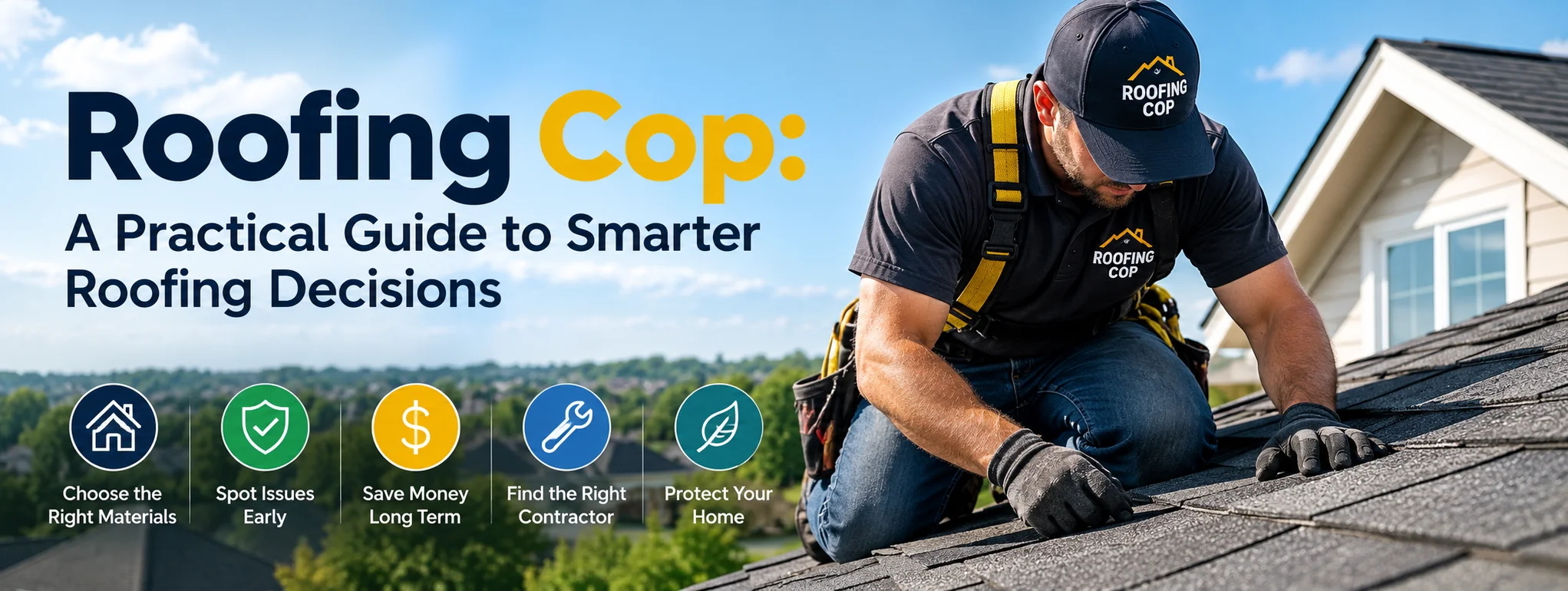
A strong, dependable roof protects your home, improves energy efficiency, and provides peace of mind throughout the year. Roofing Cop is a keyword that can be associated with roofing services, roof maintenance, repair guidance, contractor selection, and practical information for homeowners who want to protect their properties. Whether you are dealing with a small leak, planning a complete roof replacement, or researching roofing solutions, understanding the process can help you make confident decisions.
Roofing problems often begin with small warning signs that are easy to overlook. A loose shingle, damaged flashing, blocked gutter, or minor water stain can eventually lead to expensive structural repairs. Fortunately, regular inspections, quality materials, and professional workmanship can prevent many common problems.
This guide explores the importance of roof maintenance, common roofing issues, available materials, repair planning, and practical ways to choose a reliable roofing professional. It also explains how homeowners can use the Roofing Cop topic as a starting point for learning about safer, more effective roof care.
Understanding the Roofing Cop Approach
Roofing requires more than installing shingles or covering a building with protective materials. A successful roofing project combines careful inspection, appropriate material selection, correct installation, and ongoing maintenance.
The Roofing Cop topic can help readers explore these essential elements before investing in repairs or a new roof. Homeowners should focus on identifying problems early, understanding their options, and working with qualified professionals who explain their recommendations clearly.
A reliable roofing process generally includes three important stages:
- Inspection: Identify visible damage, moisture problems, loose materials, and vulnerable areas.
- Planning: Determine the most suitable repair method, materials, budget, and timeline.
- Maintenance: Keep the roof, gutters, flashing, and drainage systems in good condition.
These steps help reduce uncertainty and make roofing decisions more manageable.
Why Regular Roof Maintenance Matters
Your roof is constantly exposed to sunlight, rain, wind, temperature changes, and airborne debris. Over time, these conditions can weaken roofing materials and affect the components beneath them.
Regular maintenance helps detect developing problems before they spread. Although inspections cannot eliminate every risk, they can reveal damage that might otherwise remain unnoticed until water enters the building.
Preventing Expensive Structural Damage
Water infiltration is one of the most serious roofing concerns. Even a small opening around a vent or chimney can allow moisture to enter the roof structure.
When moisture remains trapped, it can damage insulation, weaken wooden components, stain ceilings, and encourage mold growth. Repairs may become more complicated when these issues remain unresolved.
A timely inspection can help identify damaged shingles, deteriorated sealants, loose flashing, and other vulnerable areas. Addressing these problems early may reduce repair costs and protect the building’s interior.
Improving Energy Efficiency
A properly maintained roof works alongside attic insulation and ventilation to help regulate indoor temperatures.
Inadequate ventilation can trap heat and moisture in the attic. During hot weather, excessive heat may increase cooling demands, while moisture buildup can contribute to condensation and material deterioration.
Homeowners should ensure that ventilation openings remain unobstructed and that insulation is appropriate for their climate. Reflective roofing materials may also help reduce heat absorption in some buildings, depending on the local climate and roof design.
Extending Roof Lifespan
Roofing materials have different service lives depending on their quality, installation, climate exposure, and maintenance history.
Asphalt shingles, metal panels, clay tiles, and other roofing products respond differently to environmental conditions. Routine maintenance helps preserve their performance and allows homeowners to plan replacement before widespread failure occurs.
Common Roofing Problems Homeowners Should Recognize
Understanding common roofing issues makes it easier to recognize when professional attention may be necessary.
Roof Leaks and Water Stains
Water stains on ceilings or walls may indicate a roof leak, although plumbing and condensation can produce similar symptoms.
Leaks frequently develop around flashing, roof penetrations, valleys, damaged shingles, or deteriorated seals. Water can travel along structural components before becoming visible indoors, so the location of a stain does not always identify the source.
If you notice persistent dampness, dripping water, or spreading discoloration, arrange a professional inspection. Avoid entering a wet or unstable attic, and keep away from electrical hazards caused by water intrusion.
Missing or Damaged Shingles
Strong winds, falling branches, aging materials, and improper installation can damage shingles.
Look for missing pieces, curling edges, cracked surfaces, or areas where the roof covering appears uneven. These conditions may expose underlying materials to moisture and accelerate deterioration.
Small areas of damage may be repairable without replacing the entire roof. However, widespread deterioration, repeated leaks, or aging underlayment may indicate that a larger project is necessary.
Damaged Flashing
Flashing directs water away from vulnerable joints, including chimney edges, skylights, vents, and roof-to-wall connections.
When flashing becomes loose, corroded, cracked, or improperly sealed, water can penetrate areas that are otherwise protected.
A qualified roofer can determine whether the flashing needs resealing, repair, or replacement. Correct installation is especially important because applying sealant over a poorly fitted component may provide only temporary protection.
Poor Drainage and Blocked Gutters
Leaves, branches, and other debris can restrict gutter drainage. Water may then overflow toward walls, foundations, and roof edges.
Regularly cleaning gutters and checking downspouts helps direct water away from the building. Homeowners should also watch for sagging gutters, loose brackets, and standing water around the property.
Roof drainage is particularly important after heavy rain because persistent moisture can damage fascia boards, soffits, and other exposed components.
Roofing Materials and Their Practical Benefits
Choosing roofing materials requires balancing durability, appearance, installation requirements, maintenance, and cost. The best option depends on the building’s structure, climate, local regulations, and available budget.
The following table provides a general comparison of common roofing materials.
| Roofing material | Main advantages | Potential considerations |
|---|---|---|
| Asphalt shingles | Widely available, versatile, and relatively affordable | Lifespan varies with quality and weather exposure |
| Metal roofing | Durable, lightweight options, and good water shedding | Initial cost and installation quality matter |
| Clay or concrete tiles | Distinctive appearance and strong durability | Heavy weight may require structural assessment |
| Slate roofing | Premium appearance and potentially exceptional longevity | High material and installation costs |
| Membrane roofing | Useful for many low-slope and flat roofs | Requires compatible installation and careful seam detailing |
Choosing the Right Roofing Material
Before choosing a material, consider how the roof performs under local weather conditions. Buildings in areas with strong winds may require roofing products and fastening systems designed for wind resistance. Regions with frequent rainfall need reliable drainage and waterproofing details.
The roof’s slope also matters. Some products are unsuitable for very low-slope roofs unless installed as part of an approved system.
Ask contractors about product warranties, installation specifications, maintenance requirements, and the expected performance of the complete roofing system. Material quality alone cannot compensate for poor workmanship.
How to Choose a Reliable Roofing Contractor
Selecting the right contractor can significantly influence the quality and durability of a roofing project. Homeowners should look beyond advertising claims and compare practical evidence of experience, professionalism, and accountability.
Verify Qualifications and Insurance
Check whether the contractor meets local licensing requirements and carries appropriate liability insurance and workers’ compensation coverage where applicable.
Ask for documentation rather than relying entirely on verbal assurances. Requirements differ by location, so confirm which credentials are relevant to your property.
Request Detailed Written Estimates
A written estimate should explain the proposed work, materials, labor, project schedule, payment terms, and expected cleanup.
It should also clarify how the contractor will handle unexpected damage discovered after removing the existing roof covering. Comparing detailed estimates makes it easier to understand differences in price and project scope.
Review Previous Work and References
Ask for examples of similar roofing projects and references from previous customers. Look for evidence of consistent workmanship, clear communication, and appropriate follow-up when problems arise.
Online reviews can provide useful information, but evaluate them carefully. Consider patterns across multiple reviews instead of basing a decision on one unusually positive or negative comment.
Understand the Warranty
Roofing projects may include separate warranties for materials and workmanship. These warranties cover different issues and may have specific conditions.
Read the documentation carefully to understand coverage periods, exclusions, maintenance obligations, and the procedure for making a claim. Keep invoices, inspection reports, and photographs with your property records.
A Simple Roofing Inspection Checklist
A consistent inspection routine can help homeowners recognize changes in roof condition. Ground-level observations are useful, but they cannot replace a professional assessment of areas that are difficult to access.
Use the following checklist as a starting point:
- Check ceilings and walls: Look for new stains, bubbling paint, or unexplained dampness.
- Inspect the roof from the ground: Look for missing shingles, visible sagging, or damaged roof edges.
- Examine gutters and downspouts: Check for blockages, overflow, and loose connections.
- Review flashing and roof penetrations: Have a professional inspect vulnerable joints when damage is suspected.
- Schedule professional inspections: Arrange an inspection after severe weather or when signs of deterioration appear.
Never climb onto a wet, icy, steep, or damaged roof without appropriate training and fall-protection equipment. Even apparently minor repairs can become dangerous when performed at height.
Planning a Roofing Repair or Replacement Budget
Roofing costs vary significantly according to roof size, pitch, accessibility, material selection, local labor rates, and the amount of underlying damage.
A small repair may involve replacing a few shingles or correcting a flashing problem. A larger project may require removing existing materials, repairing the roof deck, improving ventilation, or installing a complete new roofing system.
Understand the Full Project Cost
Request estimates that separate major expenses where practical. These may include labor, materials, removal and disposal, underlayment, flashing, ventilation, permits, and necessary structural repairs.
Ask whether the estimate includes taxes, cleanup, and any applicable inspection fees. A very low quotation may exclude important work or rely on materials that do not meet your needs.
Prepare for Unexpected Repairs
Hidden damage can become visible only after roofing materials are removed. Setting aside a reasonable contingency fund can help you manage these discoveries without making rushed decisions.
Before signing a contract, establish how additional work must be approved and documented. Request photographs and a written explanation if the contractor identifies unexpected damage.
Avoid Decisions Based Only on Price
The cheapest quotation is not necessarily the best value. Inadequate installation or unsuitable materials may lead to repeated repairs and additional expenses.
Instead, compare the proposed system, contractor qualifications, warranty coverage, project details, and communication standards. A well-planned roofing investment can provide greater confidence over the long term.
Seasonal Roofing Care and Weather Protection
Different seasons create different maintenance challenges. Preparing for local weather conditions can help protect roofing materials and reduce the likelihood of unexpected damage.
Before Storm Season
Check gutters, remove accessible debris, and arrange repairs for loose roofing components. Trim branches that could fall onto the building, provided the work can be completed safely.
After a storm, inspect the property from the ground for fallen branches, displaced shingles, damaged gutters, and signs of water entry. Photograph visible damage before arranging professional repairs.
During Hot Weather
High temperatures can affect roofing materials, attic conditions, and indoor comfort. Ensure that ventilation systems are functioning properly and that insulation remains in suitable condition.
Avoid walking on hot roofing surfaces because some materials can be damaged by foot traffic. Leave roof-level inspections to qualified professionals.
During Cold or Wet Weather
Rain and freezing conditions can make roofs slippery and increase the risk of accidents. Keep drainage systems clear before periods of heavy rainfall and watch for moisture inside the building.
In colder climates, appropriate attic insulation and ventilation can help reduce certain ice-dam risks. The correct solution depends on the building design and local weather conditions.
Roofing Cop: Making Better Decisions for Your Property
The Roofing Cop keyword can serve as an entry point for homeowners researching roofing maintenance, repair options, contractor selection, and material choices.
When evaluating roofing information, prioritize practical guidance over exaggerated promises. No roofing material is completely maintenance-free, and no contractor can guarantee that every future leak or weather-related problem will be prevented.
Reliable decisions come from accurate inspections, clear estimates, suitable products, and professional installation. Homeowners should also maintain records of completed work, warranties, and recurring maintenance.
For anyone planning a roofing project, the most valuable step is to understand the property’s current condition before committing to expensive repairs or replacement. A careful assessment helps distinguish urgent problems from routine maintenance and supports a more realistic budget.
Frequently Asked Questions
1. What does Roofing Cop refer to?
Roofing Cop is the subject of this guide, covering roofing services, maintenance, repairs, materials, and practical homeowner guidance. The keyword alone does not establish a specific company’s identity or services.
2. How often should a roof be inspected?
An annual professional inspection is a useful starting point. Additional inspections may be appropriate after severe weather, visible damage, or recurring leaks.
3. What are the first signs of roof damage?
Common warning signs include missing shingles, water stains, damaged flashing, sagging areas, and overflowing gutters.
4. Should I repair or replace my roof?
The decision depends on the roof’s age, extent of damage, remaining service life, and repair costs. A professional inspection can help determine the most appropriate option.
5. How can I reduce roofing maintenance costs?
Keep gutters clear, address small problems promptly, arrange regular inspections, and use suitable materials installed according to manufacturer specifications.
Final Thoughts
Roofing Cop highlights an important part of property ownership: protecting the structure through informed decisions and consistent maintenance. A well-maintained roof helps shield the building from moisture, supports indoor comfort, and reduces the risk of expensive damage.
Whether you need a minor repair or a complete replacement, begin with a careful assessment and compare qualified contractors before making a commitment. Choose materials suited to your building and climate, review written estimates, and understand the warranties associated with the work.