
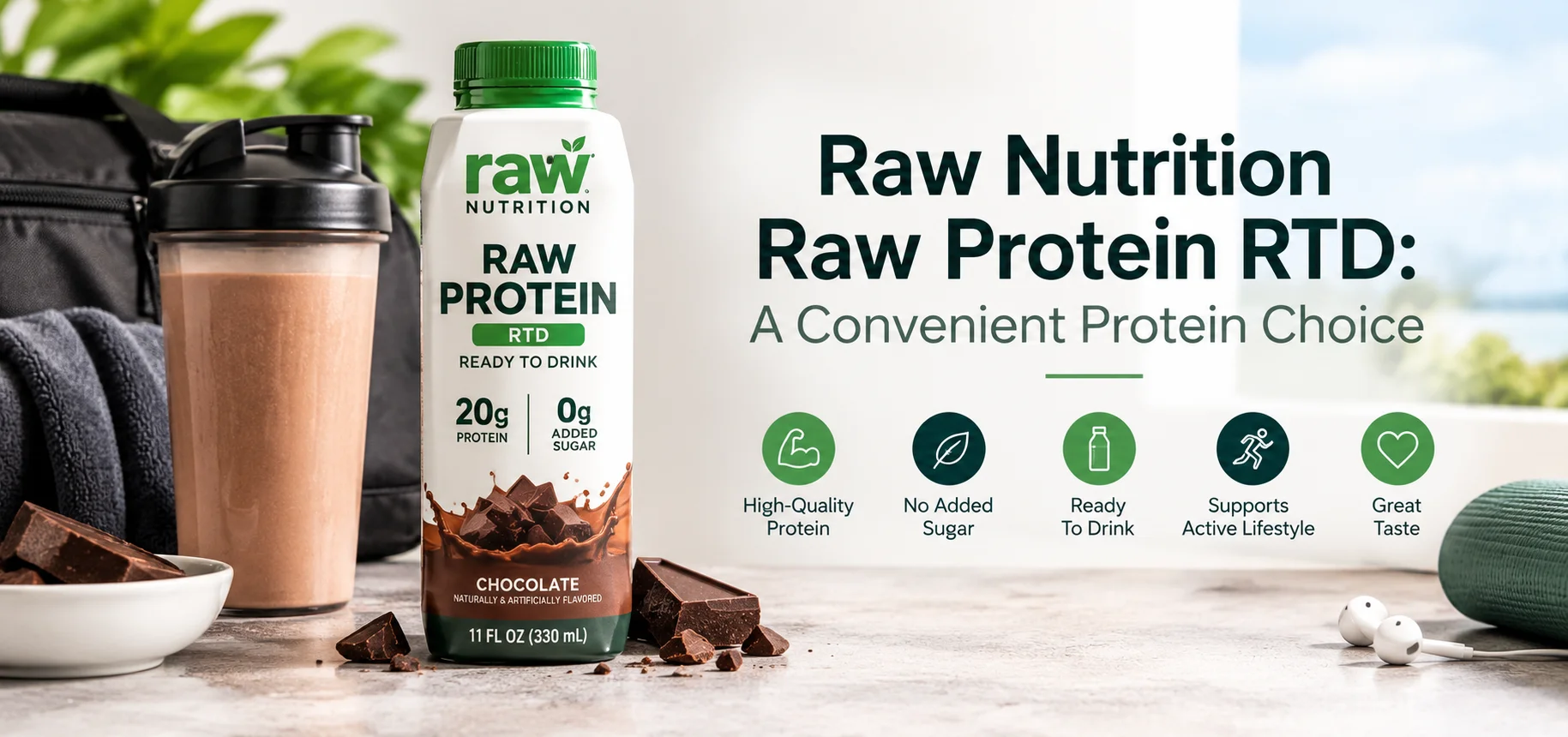
Finding a convenient way to increase daily protein intake can make nutrition easier, especially for people with busy schedules, active lifestyles, or demanding workout routines. Raw Nutrition Raw Protein RTD is designed around that convenience, offering a ready-to-drink protein option that can be consumed without mixing powder, measuring ingredients, or preparing a shake.
For anyone comparing convenient protein products, understanding the product format, nutrition considerations, ingredients, serving convenience, and best times to use it can help make a more informed decision. This guide explores the key points surrounding Raw Nutrition Raw Protein RTD, including how it can fit into different routines and what consumers should consider before adding it to their daily nutrition plan.
Raw Nutrition Raw Protein RTD at a Glance
Ready-to-drink protein products have become increasingly popular because they remove several steps from traditional protein supplementation. Instead of carrying a shaker and a container of powder, users can simply chill and drink a prepared serving.
The appeal of Raw Nutrition Raw Protein RTD is particularly strong for people who value speed and portability. It can potentially fit into a gym bag, work routine, travel schedule, or post-workout nutrition plan.
However, convenience should not be the only consideration. Protein intake is most useful when it works alongside a balanced diet containing appropriate amounts of carbohydrates, fats, vitamins, minerals, and fluids.
Why Ready-to-Drink Protein Is Convenient
Traditional protein shakes require several small tasks. You need to measure the powder, add liquid, shake the container, and clean it afterward. A ready-to-drink option simplifies the process considerably.
This format can be useful when:
- You are heading directly from the gym to work.
- You have limited time to prepare food.
- You need a portable protein option while traveling.
- You prefer individually portioned products.
- You want to avoid carrying protein powder and a shaker.
The simplicity can make consistent nutrition easier, particularly on hectic days.
Key Features to Consider
When evaluating Raw Nutrition Raw Protein RTD, consumers should look beyond the front label. The nutritional panel provides important information about the amount of protein, calories, carbohydrates, fats, sugars, and other ingredients in each serving.
Protein Content
Protein is an essential macronutrient involved in maintaining and repairing body tissues. People who exercise regularly may pay particular attention to protein because adequate dietary intake supports muscle recovery and normal physiological functions.
The exact amount of protein per serving should always be checked on the current product label because formulations and package sizes can change.
Rather than treating one beverage as the foundation of a diet, it is generally more useful to view a protein drink as one convenient source within your overall daily intake.
Calories and Macronutrients
Protein drinks can vary considerably in their calorie and macronutrient profiles. Some are designed primarily as protein supplements, while others may contain additional carbohydrates or fats.
Consider how the beverage fits into your overall nutritional target. For example, someone looking for a convenient protein source may prefer a different nutritional profile from someone seeking a more substantial meal replacement.
Ingredients and Dietary Preferences
Reading the ingredient list is particularly important if you have food allergies, intolerances, or specific dietary preferences.
Check the current packaging for information about:
- Protein source
- Sweeteners
- Flavoring ingredients
- Milk or dairy ingredients
- Allergens
- Added carbohydrates
- Added fats
- Other functional ingredients
A product that looks suitable at first glance may not meet everyone’s individual dietary requirements.
Raw Nutrition Raw Protein RTD for Busy Lifestyles
Modern schedules often make regular meals difficult. Work, commuting, studying, training, and travel can create situations where preparing a complete meal is inconvenient.
This is where Raw Nutrition Raw Protein RTD can become a practical option. Its ready-to-drink format eliminates preparation and makes portioning straightforward.
Before or After Training
Protein is commonly consumed around workouts, although the bigger nutritional picture matters more than focusing exclusively on a narrow post-workout window.
A ready-to-drink beverage can be useful after training when a normal meal is not immediately available. It may also work as a convenient protein source earlier in the day, depending on your overall nutrition plan.
Hydration should also remain a priority during and after exercise.
During Work or Study
Long workdays and study sessions can make convenient food choices attractive. Keeping a ready-to-drink protein beverage available may help provide a quick nutritional option when there is little time for preparation.
However, it should not automatically replace balanced meals. Whole foods can provide fiber, micronutrients, and a broader range of nutrients that a protein beverage may not provide.
While Traveling
Travel can disrupt normal eating routines. A shelf-stable or appropriately packaged ready-to-drink product, depending on the specific product’s storage requirements, can be convenient when refrigeration and food preparation are limited.
Always follow the manufacturer’s storage instructions and check whether the product needs refrigeration before opening.
Understanding the Role of Protein in a Balanced Diet
Protein is only one part of nutrition. A strong dietary pattern also includes vegetables, fruits, whole grains or other carbohydrate sources, healthy fats, and adequate fluids.
The amount of protein a person needs can vary based on factors such as age, body size, activity level, training goals, and overall health.
For this reason, simply drinking more protein does not automatically produce better results.
Protein and Muscle Recovery
Resistance training creates a stimulus that encourages the body to adapt. Adequate protein provides amino acids needed for normal tissue maintenance and repair.
People who participate in strength training may therefore pay close attention to their daily protein intake.
A protein drink can make reaching an individual’s desired intake more convenient, but training quality, sufficient calories, sleep, hydration, and overall dietary quality also matter.
Protein and Satiety
Protein can contribute to feelings of fullness. Depending on the complete nutritional composition of a beverage, a protein drink may be more satisfying than a low-protein snack.
Still, a drink is not always equivalent to a complete meal. Foods containing fiber and a variety of nutrients can provide additional benefits for overall dietary quality.
Raw Nutrition Raw Protein RTD: What to Check Before Buying
Before purchasing any ready-to-drink protein product, compare the label with your personal needs rather than relying solely on marketing claims.
| Feature | What to Check | Why It Matters |
|---|---|---|
| Protein | Grams per serving | Helps estimate daily protein contribution |
| Calories | Calories per bottle | Useful for managing overall energy intake |
| Carbohydrates | Total carbs and sugars | Important for overall dietary planning |
| Fat | Total and saturated fat | Helps evaluate the complete macronutrient profile |
| Ingredients | Protein sources and additives | Useful for dietary preferences and sensitivities |
| Allergens | Milk and other listed allergens | Important for people with allergies or intolerances |
| Serving size | Bottle size and servings | Helps calculate actual intake |
Product information can change, so the package currently available to you should be treated as the most reliable source for the exact formulation.
Practical Ways to Include Raw Protein RTD
A convenient protein beverage does not need to be complicated. The best approach is to use it where it genuinely solves a nutritional or scheduling problem.
Here are five practical situations:
- After exercise: Use it when you need a convenient protein source and a full meal is not immediately available.
- At work: Keep an appropriately stored bottle available for busy days.
- During travel: Use it as a portable option when normal meals are difficult to arrange.
- Between meals: It can provide protein when it fits your overall calorie and nutrition needs.
- With breakfast: It may complement a balanced breakfast when additional protein is appropriate.
The key is consistency without becoming overly dependent on supplements.
Flavor, Texture, and Drinking Experience
Taste can strongly influence whether someone continues using a ready-to-drink product. Protein beverages can differ significantly in sweetness, thickness, aftertaste, and texture.
Individual preferences also vary. Some people enjoy a richer shake-like texture, while others prefer a lighter drink.
If you are purchasing a product for regular use, consider starting with a flavor or package size that allows you to evaluate whether you actually enjoy drinking it. A nutritionally convenient product has limited value if you dislike its taste and rarely consume it.
Storage and Convenience
Storage instructions deserve attention as well. Some ready-to-drink protein products require refrigeration, while others may have different storage requirements before opening.
Always follow the manufacturer’s instructions regarding:
- Refrigeration
- Expiration or best-by dates
- Opening and resealing
- Exposure to heat
- Consumption after opening
Correct storage helps preserve product quality and safety.
Who May Find Ready-to-Drink Protein Useful?
Ready-to-drink protein products can appeal to a wide range of consumers.
Gym-goers may appreciate the convenience after training. Office workers may like having a quick option during demanding workdays. Travelers can benefit from portable nutrition, while students may find the format easier than preparing a shake.
The important point is that the product should support your nutritional routine rather than replace good dietary habits.
People with specific medical conditions, food allergies, kidney-related concerns, or other dietary restrictions should discuss appropriate protein intake and supplement choices with a qualified healthcare professional.
Smart Tips for Choosing a Protein Drink
Choosing a protein beverage becomes easier when you focus on practical details instead of marketing alone.
Compare the Full Nutrition Label
Do not judge a product exclusively by its protein number. Look at calories, carbohydrates, sugars, fats, sodium, and the ingredient list as well.
Match It to Your Goals
Someone trying to increase protein intake may have different requirements from someone looking for a higher-calorie beverage. Your total diet should determine which product profile makes sense.
Consider Your Daily Diet
If you already consume plenty of protein through foods such as eggs, dairy, meat, fish, legumes, or other protein-rich foods, an additional beverage may not be necessary every day.
Check the Current Formula
Manufacturers can update formulations, flavors, package sizes, and ingredients. Always check the current product packaging or official product information rather than relying on an old nutrition panel found online.
Common Questions About Raw Nutrition Raw Protein RTD
1. Is Raw Nutrition Raw Protein RTD convenient?
Yes. Its ready-to-drink format is designed to provide convenience without requiring powder, water, or shaker preparation.
2. Can I drink it after a workout?
It can be used as a convenient protein source after exercise, depending on your overall nutrition plan and dietary needs.
3. Can it replace a complete meal?
Not necessarily. A protein drink may provide protein and other nutrients, but a balanced meal can offer a broader combination of nutrients and fiber.
4. Should I refrigerate Raw Protein RTD?
Storage requirements depend on the specific product and packaging. Follow the instructions printed on the current bottle or package.
5. How much should I drink?
The appropriate amount depends on your overall daily protein requirements and diet. Follow the serving information on the product and consider your total protein intake from food.
Final Thoughts
Raw Nutrition Raw Protein RTD represents a convenient approach to adding protein to a busy daily routine. Its ready-to-drink format can save preparation time and make protein intake easier during workouts, workdays, travel, or other situations where preparing a traditional shake is inconvenient.
The most effective approach is to consider the product as part of a larger nutrition strategy. Check the current label, understand the protein and calorie content, review ingredients and allergens, and think about how the beverage fits into your overall diet.
For people who value speed, portability, and simplicity, a ready-to-drink protein option can be a powerful convenience. The real benefit comes from using it thoughtfully alongside balanced meals, adequate hydration, regular physical activity, and an overall nutritious eating pattern.
1 thought on “Raw Nutrition Raw Protein RTD: A Convenient Protein Choice”