
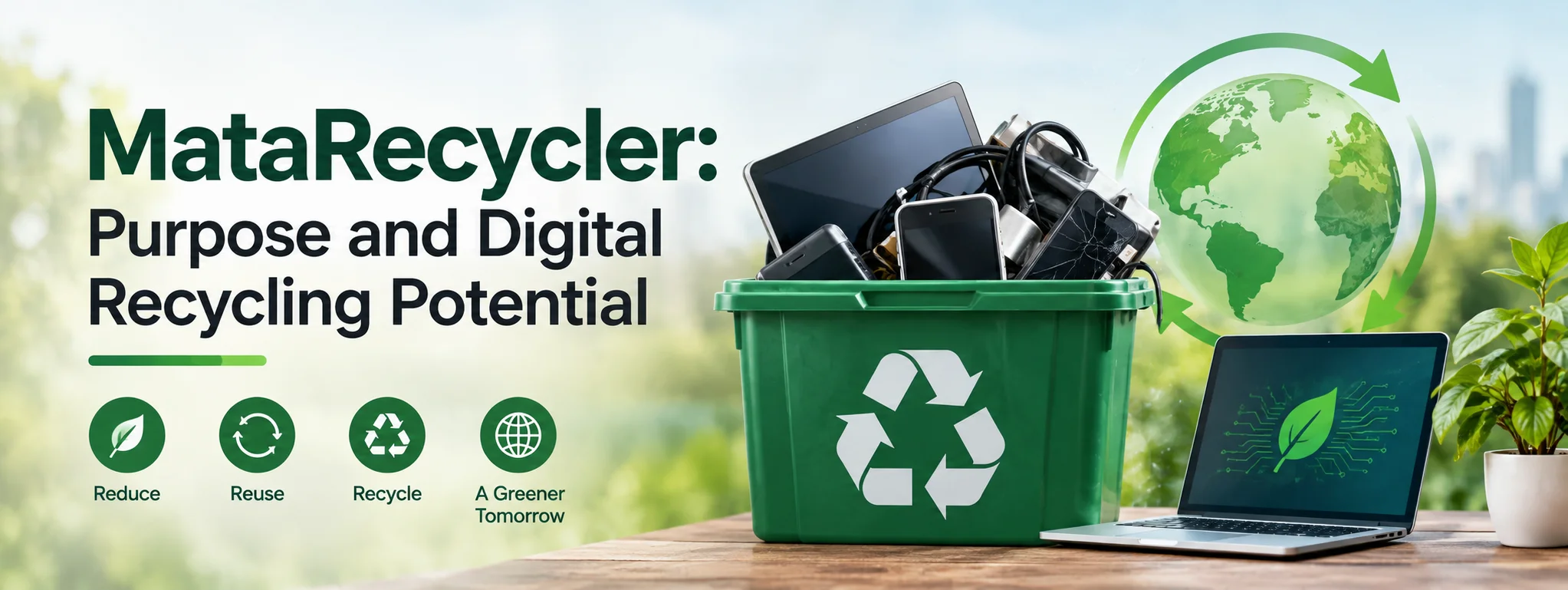
MataRecycler is a search term that may interest people looking for recycling resources, waste management solutions, or digital tools connected with sustainability. As environmental awareness grows, people increasingly search for practical ways to reduce waste, reuse valuable materials, and make everyday choices more responsible. Understanding the term MataRecycler requires looking at its possible meaning, the broader recycling concept, and the features users should expect from a useful recycling resource.
Although the exact identity and purpose of MataRecycler are not established here, the term naturally suggests a connection with recycling and resource recovery. It could refer to a website, a digital project, a recycling-related service, or a name people encounter online. Identifying the specific platform is important before relying on claims about its services, ownership, availability, or benefits.
The ideas associated with MataRecycler, explains how modern recycling systems work, and offers practical advice for evaluating recycling platforms. Whether you discovered the term through a search engine or are researching sustainable solutions, the goal is to provide useful information without confusing possibilities with verified facts.
Understanding MataRecycler and Its Possible Purpose
MataRecycler combines a distinctive name with the word “recycler,” which commonly refers to a person, organization, process, or system that helps recover materials for reuse. However, the name alone does not confirm that MataRecycler operates a particular recycling service.
Its actual purpose depends on the website, application, organization, or product associated with the term. Before using a platform with this name, readers should establish whether it provides environmental information, connects users with recycling facilities, offers collection services, or performs an entirely different function.
Why People May Search for MataRecycler
People encounter unfamiliar names online for several reasons. A term may appear in a website address, social media post, search suggestion, product description, or recommendation from another user.
Someone searching for MataRecycler may want to discover:
- Platform identity: The website, application, or organization behind the name.
- Main features: Whether it provides recycling information, collection options, or another service.
- Accessibility: Whether the platform works on mobile devices and in the user’s location.
- Safety: Whether the website explains its ownership, privacy practices, and terms of service.
- Practical value: Whether it helps people make informed decisions about waste reduction and material recovery.
These are reasonable research questions, but none should be treated as a confirmed feature of MataRecycler without reliable supporting evidence.
How Recycling Works in Everyday Life
Recycling is the process of collecting and processing discarded materials so they can be used to manufacture new products. It can reduce the demand for virgin resources and help divert suitable materials away from landfills. The environmental benefits depend on the material, collection method, processing requirements, and local waste management system.
Understanding the process makes it easier to evaluate whether a recycling website or service provides genuinely useful guidance.
1. Collection and Separation
Recycling usually begins when households, businesses, or collection services separate recyclable materials from general waste. Common examples include paper, cardboard, glass containers, metal cans, and certain plastic packaging.
Local rules matter because not every item accepted by one recycling program is accepted by another. Food residue, mixed materials, plastic films, and contaminated packaging can create difficulties during processing.
2. Sorting and Processing
Collected materials are transported to facilities where they may be sorted by type, color, composition, or quality. Equipment and manual inspection can help separate suitable materials from contaminants.
The materials are then prepared for further processing. Depending on the material, this may involve shredding, washing, melting, pulping, or other specialized techniques.
3. Manufacturing New Products
Processed materials can become inputs for new products. Recycled paper may be used to manufacture additional paper products, metals can be melted and reshaped, and certain plastics can be converted into new packaging or other goods.
The number of times a material can be recycled depends on its properties and the quality of the recycling process. Recycling is therefore valuable, but it does not eliminate the need to reduce unnecessary consumption and reuse products whenever practical.
Potential Benefits of a Useful Recycling Platform
A well-designed recycling platform can make environmental information easier to understand and act upon. Whether MataRecycler offers these capabilities remains unverified, but they provide a useful benchmark for evaluating any service associated with recycling.
Clear Recycling Instructions
People often struggle to determine whether an item belongs in a recycling bin. Clear, material-specific instructions can help users avoid contamination and understand local collection requirements.
For example, a useful guide should distinguish between clean cardboard, greasy food packaging, glass containers, and different types of plastic rather than suggesting that all packaging can be recycled in the same way.
Information About Nearby Facilities
A location-based recycling directory can help people identify drop-off points for materials that are not collected through ordinary household services. Depending on the area, these may include electronic equipment, batteries, used cooking oil, or other specialized waste.
Any such directory should identify its geographic coverage and provide information that users can verify before traveling to a facility.
Better Environmental Awareness
Reliable educational resources explain the difference between reducing waste, reusing products, repairing items, and recycling materials. This broader perspective helps readers avoid assuming that recycling is always the most effective option.
A practical platform should encourage informed choices rather than relying exclusively on general environmental slogans.
MataRecycler Evaluation Checklist
Because the specific identity of MataRecycler has not been confirmed, use the following checklist to assess the relevant website or service before sharing information or relying on its advice.
| Evaluation area | What to check | Why it matters |
|---|---|---|
| Identity | Official website, organization name, and contact details | Helps establish who operates the service |
| Features | Clear descriptions of available tools or services | Prevents confusion about what the platform actually provides |
| Accuracy | Reliable recycling guidance and references | Helps users follow appropriate local rules |
| Privacy | Privacy policy and explanation of data collection | Protects personal information |
| Availability | Supported locations and service coverage | Helps users determine whether the information applies to them |
| Updates | Recent information and working contact details | Reduces the risk of relying on outdated instructions |
No single checklist can guarantee that a platform is trustworthy. However, these checks provide a sensible starting point and help users recognize missing or questionable information.
Practical Ways to Make Recycling More Effective
You do not need a specialized website to begin improving your recycling habits. Small, consistent changes can make waste separation easier and reduce avoidable mistakes.
Start With Your Local Recycling Rules
Check your municipal waste authority or local recycling provider for an accepted-materials list. Avoid assuming that symbols printed on packaging guarantee acceptance in your local collection program.
Keep Recyclables Properly Prepared
Empty containers and follow local instructions about rinsing, flattening, or separating materials. Excessive cleaning is not necessarily required, and preparation rules differ between programs.
Repair and Reuse Before Recycling
An item that can be safely repaired, donated, or reused may retain more of its original value than one immediately sent for recycling. Consider durability and practical usefulness before replacing everyday products.
Handle Electronic Waste Carefully
Old phones, computers, chargers, and other electronic devices may contain materials that require specialized handling. Use an authorized collection point where available, and remove personal data from devices before handing them over.
Follow These Five Simple Habits
- Separate paper, metal, glass, and accepted plastics according to local rules.
- Keep food waste and other contaminants out of recycling containers when required.
- Reuse shopping bags, storage containers, and durable household items when practical.
- Take batteries and electronic equipment to appropriate collection facilities.
- Buy products with durable construction or recyclable packaging when suitable alternatives are available.
These habits are useful regardless of whether MataRecycler turns out to be a directory, educational resource, or another type of platform.
Common Mistakes to Avoid When Using Recycling Information Online
Online resources can be helpful, but recycling advice is not always universal. A recommendation that works for one city or material may be unsuitable elsewhere.
Assuming Every Material Is Recyclable
A recycling symbol does not automatically mean a local facility accepts an item. Check the material type and your collection provider’s rules before placing it in a recycling container.
Trusting Unverified Service Claims
If a website claims to collect waste, arrange pickups, or provide recycling rewards, confirm those features through its official documentation. Check applicable fees, coverage, collection conditions, and customer support before making commitments.
Sharing Personal Information Too Quickly
A recycling directory may not need extensive personal information simply to provide general guidance. Be cautious if an unfamiliar platform requests unnecessary identity documents, financial details, passwords, or payment before explaining its service.
Treating Recycling as the Only Solution
Waste prevention, product repair, reuse, and responsible purchasing are also important. Recycling is most useful as part of a broader approach to resource conservation.
What Would Make MataRecycler More Useful to Its Users?
A recycling-related platform becomes more valuable when it answers specific questions and helps users take practical action. If MataRecycler is intended to serve this purpose, several features would make it easier to evaluate and use.
A Searchable Material Guide
Users could benefit from a searchable directory that explains how to dispose of common household items. Each entry should describe the material, preparation requirements, local acceptance rules, and suitable alternatives when recycling is unavailable.
Verified Local Recycling Information
A directory with location filters, facility addresses, operating hours, accepted materials, and last-verified dates would be more actionable than a general list of recycling centers.
Such information should be checked regularly because facilities can change their operating conditions or stop accepting certain materials.
Transparent Service Details
If the platform offers collection or other commercial services, it should explain eligibility, service areas, fees, scheduling, privacy practices, and complaint procedures.
Accessible and Practical Design
A useful recycling resource should work on mobile devices, use clear language, and avoid unnecessary registration for basic educational content. Simple instructions, readable layouts, and regularly updated information can help people make better decisions quickly.
These suggestions describe useful design principles, not verified features currently available through MataRecycler.
Frequently Asked Questions
1. What is MataRecycler?
MataRecycler is a search term that appears to suggest a connection with recycling, but its specific identity and purpose have not been independently established here.
2. Is MataRecycler a recycling website?
That cannot be confirmed from the name alone. Check the relevant website or official documentation to determine whether it provides recycling services, educational information, or another offering.
3. Is MataRecycler safe to use?
Its safety cannot be determined without reviewing the specific platform. Check its ownership, privacy policy, contact details, website security, and any payment or data-sharing requirements.
4. How can recycling help the environment?
Recycling can conserve resources, reduce the need for some virgin materials, and divert suitable waste from landfills. Its overall benefits depend on the materials and the efficiency of collection and processing.
5. How can I find reliable recycling information?
Start with your municipal waste authority, established recycling organizations, or authorized collection facilities. Confirm local acceptance rules before disposing of unfamiliar materials.
Final Thoughts
MataRecycler is a distinctive term that may be associated with recycling or resource recovery, but its exact meaning should be verified before making claims about its ownership, features, or reliability. Understanding this distinction is essential when researching unfamiliar websites and services.
The broader principles of responsible recycling remain useful regardless of the platform involved. Learn your local collection rules, separate materials correctly, reuse products when possible, and seek appropriate facilities for electronic waste and other specialized items.
1 thought on “MataRecycler: Purpose and Digital Recycling Potential”