
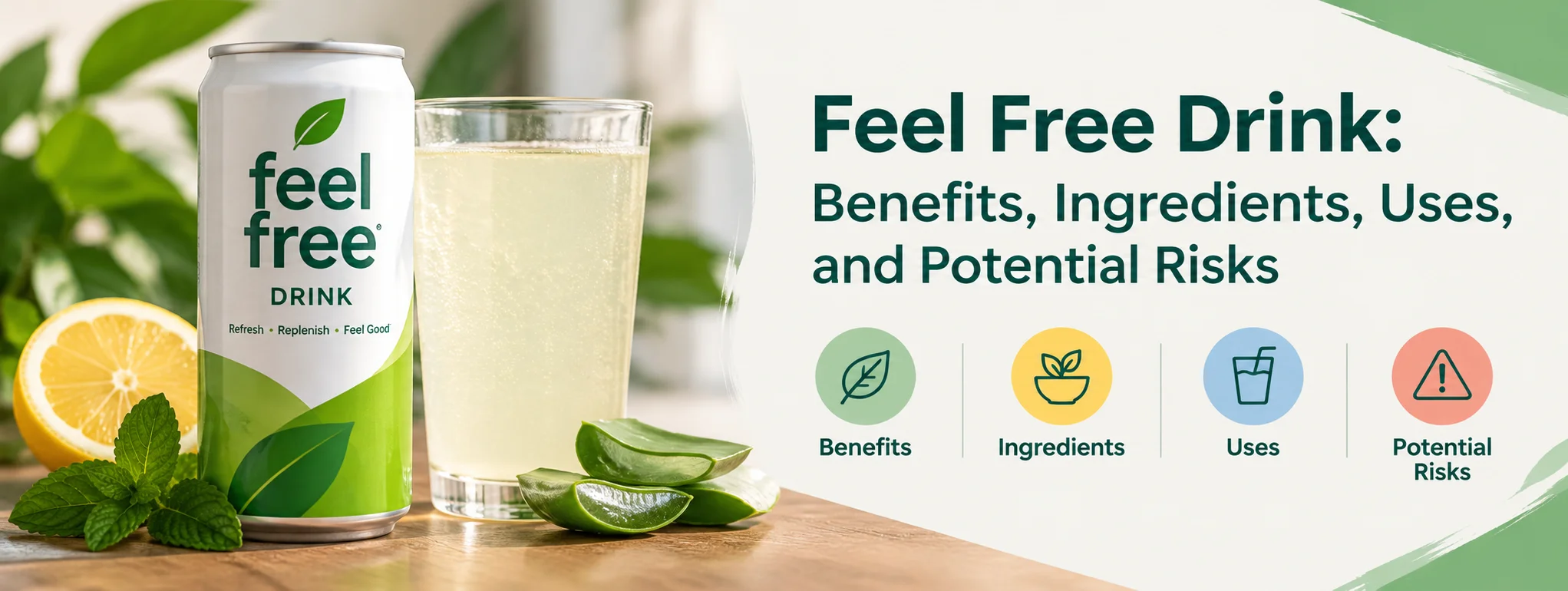
The Feel Free Drink has attracted attention among people looking for alternatives to traditional energy drinks, coffee, and other beverages associated with relaxation or increased energy. Marketed as a plant-based tonic, Feel Free Drink contains botanical ingredients that are promoted for mood, focus, energy, and relaxation. However, its effects and safety deserve a closer look before adding it to a daily routine.
Unlike ordinary soft drinks, Feel Free is not simply a flavored beverage. Its botanical ingredients include substances that may affect the nervous system, and its formulation has raised questions about dependence, side effects, and responsible consumption. Understanding what goes into the drink, why people use it, and what potential risks are involved can help consumers make informed decisions.
What Is Feel Free Drink?
Feel Free Drink is a botanical tonic produced by Botanic Tonics. Its original product, known as Feel Free Classic, combines kava root and kratom leaf in a small liquid bottle.
The drink is marketed for people interested in a mood lift, mental focus, social comfort, and an alternative to conventional caffeinated beverages. However, these advertised effects should not be confused with proven medical benefits.
One important distinction is that the brand now offers different formulations. Feel Free Classic contains kava and kratom, while its newer Feel Free formulation uses kava, kola nut, lion’s mane, and rhodiola. These products have different ingredients and should not be treated as interchangeable.
This article focuses primarily on Feel Free Classic because it is the formulation most closely associated with searches about the original Feel Free Drink.
Feel Free Drink Ingredients Explained
The ingredients are important because the drink contains active botanical compounds rather than just ordinary beverage flavorings. According to the manufacturer’s published Classic product information, its principal ingredients include kava root and kratom leaf.
1. Kava Root
Kava is a plant scientifically known as Piper methysticum. It originates from the South Pacific, where people have traditionally prepared beverages from its roots for social and ceremonial occasions.
Kava contains compounds called kavalactones, which influence activity in the nervous system. These compounds are associated with relaxing effects, although the strength and duration of those effects can vary.
Potential effects include:
-
A feeling of relaxation.
-
Reduced tension or nervousness.
-
A calmer social experience.
-
A sense of physical ease.
However, kava is not completely risk-free. Some kava-containing products have been associated with serious liver injury, making product quality, dosage, and individual health important considerations.
2. Kratom Leaf
Kratom comes from the leaves of Mitragyna speciosa, a tropical tree native to Southeast Asia.
Its leaves contain naturally occurring alkaloids, particularly mitragynine. These compounds interact with receptors in the nervous system, including opioid receptors.
People use kratom-containing products for various perceived effects, such as increased energy, improved mood, and temporary changes in alertness. However, these effects are not reliable medical benefits, and kratom can lead to dependence.
The FDA warns about potential serious adverse effects, including liver toxicity, seizures, and substance use disorder.
3. Pineapple Juice and Natural Flavors
Pineapple juice and natural flavors contribute to the drink’s taste. They help create a more approachable flavor profile than consuming botanical ingredients on their own.
These ingredients are primarily included for flavor rather than any established therapeutic effect.
4. Stevia Leaf
Stevia leaf is used as a sweetening ingredient. It provides sweetness without relying on conventional added sugar.
This may appeal to consumers who prefer beverages with alternative sweeteners, although the presence of stevia does not make the drink automatically healthy or suitable for everyone.
5. Citric Acid, Water, and Iron
Water provides the liquid base, while citric acid contributes acidity and helps balance the flavor. The published Classic label also lists a small amount of iron.
The manufacturer published the following ingredient information for its Classic formulation in January 2024.
Feel Free Drink Ingredients and Amounts
| Ingredient | Published amount per serving | Main purpose |
|---|---|---|
| Kava root extract | 260 mg total kavalactones | Botanical relaxation effects |
| Kratom leaf | 34 mg total alkaloids | Botanical stimulant and mood-related effects |
| Mitragynine | 20 mg | Primary kratom alkaloid |
| 7-hydroxymitragynine | Less than 0.05 mg | Naturally occurring kratom alkaloid |
| Iron | 0.4 mg | Mineral content |
| Pineapple juice | Not separately quantified | Flavor |
| Stevia leaf | Not separately quantified | Sweetness |
| Water | Not separately quantified | Liquid base |
| Citric acid | Not separately quantified | Acidity and flavor balance |
Amounts are from the manufacturer’s January 2024 Classic label information and should not be assumed to represent every current formulation or production batch. One serving is 1 fluid ounce (approximately 29.6 mL); a bottle contains two servings.
Potential Benefits of Feel Free Drink
Feel Free Classic is promoted for energy, focus, mood, and relaxation. Some consumers report experiencing these effects, but individual experiences are not proof of clinical effectiveness.
1. May Promote Relaxation
Kava is traditionally associated with relaxation. Its kavalactones interact with the nervous system and may influence feelings of calmness.
This is one reason people become interested in Feel Free Drink as an alternative to conventional beverages. However, its effects can vary, and it should not replace professional treatment for anxiety or other medical conditions.
2. May Influence Mood
Some users describe feeling more comfortable, positive, or socially relaxed after consuming the tonic.
Kava and kratom both contain active compounds that affect the nervous system. However, there is insufficient independent evidence to establish that Feel Free reliably improves mood or provides a lasting emotional benefit.
3. May Affect Energy and Alertness
Although Feel Free Classic is caffeine-free, some consumers describe experiencing a noticeable change in energy or alertness.
Kratom’s effects can vary depending on the individual, amount consumed, and other factors. It should not be considered a proven replacement for sleep, balanced nutrition, or established energy-management strategies.
4. May Support a More Relaxed Social Experience
Kava has a long history of traditional use in social gatherings throughout parts of the Pacific Islands.
Some consumers are attracted to Feel Free because they associate botanical tonics with relaxation and social comfort. Nevertheless, the experience is not guaranteed, and combining the product with alcohol can introduce additional risks.
5. Offers a Convenient Liquid Format
The small bottle makes Feel Free easy to carry and consume compared with traditional herbal preparations.
Its portable format may be convenient for adults who already understand its ingredients and potential risks. Convenience, however, should never be confused with safety.
Common Uses of Feel Free Drink
People may be interested in Feel Free for different reasons. Its use is generally connected to its botanical ingredients and the effects consumers hope to experience.
As an Alternative to Traditional Energy Drinks
Some consumers look for beverages that do not contain conventional caffeine. Feel Free Classic is caffeine-free, making it different from standard energy drinks.
However, caffeine-free does not mean stimulant-free or risk-free. Kratom contains psychoactive compounds that can affect alertness and the nervous system.
During Social Activities
Kava has a traditional association with social gatherings. Some people choose kava-based products because they are interested in a different kind of social beverage.
It is important not to assume that a botanical drink is a safe substitute for alcohol. Feel Free Classic contains kratom, which has its own potential for dependence and adverse effects.
For Focus and Daily Routines
The manufacturer markets Feel Free for mental focus and productivity. Some consumers report using it during work, study, or other daily activities.
Nevertheless, there is not enough independent clinical evidence to establish that the finished product improves concentration or productivity. Healthy sleep, regular meals, hydration, and appropriate breaks remain more dependable foundations for mental performance.
Potential Risks and Side Effects of Feel Free Drink
Although Feel Free contains plant-based ingredients, its active compounds can produce unwanted effects. Understanding these risks is particularly important for anyone considering regular consumption.
1. Dependence and Habit Formation
One of the most important concerns involves kratom. Regular use may lead to tolerance, physical dependence, and withdrawal symptoms.
A person may gradually feel the need to consume more to experience similar effects. Some individuals also experience cravings or difficulty reducing their consumption.
The manufacturer itself warns that Feel Free Classic can be habit-forming. The FDA also identifies kratom-related substance use disorder as a serious concern.
2. Possible Liver Problems
Kava-containing products have been associated with cases of liver injury, including rare severe cases.
The risk is particularly important because commercial extracts and ready-to-drink botanical products may differ from traditional kava preparations.
A 2026 CDC report documented increasing poison-center reports involving kava products and growing exposure to combinations of kava and kratom. These reports do not establish the risk for an individual Feel Free serving, but they highlight why consumers should take the ingredients seriously.
3. Nausea and Digestive Discomfort
Some people may experience digestive problems after consuming kratom- or kava-containing products.
Possible symptoms include:
-
Nausea.
-
Vomiting.
-
Stomach discomfort.
-
Constipation.
-
Reduced appetite.
The likelihood and severity can vary depending on individual sensitivity and other substances consumed.
4. Dizziness and Drowsiness
Kava and kratom can influence the central nervous system. Their effects may include dizziness, sleepiness, or reduced alertness.
These effects could interfere with activities that require concentration and coordination. Avoid driving or operating machinery if you feel impaired.
5. Medication Interactions
Botanical ingredients can interact with prescription medicines and other supplements.
Combining substances that cause sedation may increase unwanted nervous system effects. Some interactions may also affect how the body processes medications.
The manufacturer specifically advises consumers to consult a qualified healthcare professional before combining its products with medication.
Who Should Avoid Feel Free Drink?
Feel Free Classic is not appropriate for everyone. Certain individuals should avoid it or obtain medical advice before considering any product containing kava or kratom.
People who should be particularly cautious include:
-
Pregnant or breastfeeding women: The safety of these botanical ingredients during pregnancy and breastfeeding has not been established.
-
People with liver conditions: Kava-associated liver injury is an important safety concern.
-
People with a history of substance misuse: Kratom can become habit-forming and may cause dependence.
-
People taking prescription medications: Potential interactions can increase health risks or interfere with treatment.
-
People under 21: The manufacturer states that its Classic product is intended only for adults aged 21 and older.
These precautions are consistent with the manufacturer’s warnings and broader public-health concerns about kava and kratom.
How to Approach Feel Free Drink More Safely
There is no guaranteed risk-free way to consume a product containing kratom and kava. However, consumers can take practical steps to avoid preventable problems.
Understand the Product Label
Check the exact product name, formulation, ingredient list, serving size, and warnings. Do not assume that every product sold under the Feel Free brand contains the same botanical ingredients.
Avoid Combining It With Alcohol
Combining Feel Free Classic with alcohol can increase the potential for unwanted effects. Other sedating substances may also create additional risks.
Do Not Increase Consumption to Chase Effects
Repeatedly consuming more because the initial effects seem weaker can encourage tolerance and dependence. Do not treat the manufacturer’s maximum serving guidance as proof that a particular amount is safe for everyone.
Seek Professional Advice
Speak with a qualified healthcare professional before using a botanical product if you take medication, have an existing medical condition, or have concerns about substance dependence.
If someone experiences severe symptoms, such as seizures, difficulty breathing, loss of consciousness, or serious confusion, seek emergency medical attention.
Feel Free Drink vs. Traditional Energy Drinks
Although consumers sometimes compare Feel Free with energy drinks, the products work differently and have different safety considerations.
| Comparison | Feel Free Classic | Traditional Energy Drinks |
|---|---|---|
| Main active botanicals | Kava and kratom | Usually caffeine |
| Caffeine | Caffeine-free | Usually contains caffeine |
| Marketed purpose | Mood, focus, and relaxation | Energy and alertness |
| Dependence concerns | Kratom can be habit-forming | Caffeine can cause dependence |
| Possible side effects | Nausea, dizziness, drowsiness, and dependence | Jitters, sleep problems, and increased heart rate |
| Long-term safety | Important uncertainties remain | Depends on ingredients and consumption |
| Intended audience | Adults 21+ according to the Classic label | Depends on the product |
The comparison shows why Feel Free should not automatically be considered a healthier alternative to conventional energy drinks. Both categories require attention to ingredients, individual tolerance, and consumption habits.
Important Things to Know Before Trying Feel Free
Before making a decision, consider these five points:
-
It is not an ordinary soft drink: Feel Free Classic contains psychoactive botanical ingredients that affect the nervous system.
-
Plant-based does not mean harmless: Natural ingredients can still produce significant side effects.
-
Its benefits are not fully established: Marketing descriptions should not be confused with independent clinical evidence.
-
Dependence is a genuine concern: Regular kratom consumption can lead to tolerance, cravings, and withdrawal.
-
The formulation matters: Always check whether you are purchasing Feel Free Classic or another product from the brand.
Is Feel Free Drink FDA Approved?
Feel Free should not be confused with an FDA-approved medicine. Its manufacturer describes the product as a botanical supplement, but that does not mean the FDA has approved its effectiveness or confirmed that it is safe.
The FDA states that kratom is not an appropriate dietary supplement ingredient under its current interpretation of federal law and warns consumers about its potential health risks. It also states that no FDA-approved prescription or over-the-counter medicines containing kratom are legally marketed in the United States.
The manufacturer also acknowledges that its product’s benefit statements have not been evaluated by the FDA. Consumers should distinguish between manufacturing claims, marketing descriptions, and independent regulatory approval.
Final Thoughts
Feel Free Drink is a botanical tonic that combines ingredients traditionally associated with relaxation and mood-related effects. Its original Classic formulation contains kava root and kratom leaf, making it different from conventional energy drinks and ordinary flavored beverages.
Although some consumers report improved mood, relaxation, and changes in alertness, these experiences do not establish proven health benefits. The potential for dependence, withdrawal symptoms, medication interactions, and liver-related complications deserves serious attention.
The most important consideration is understanding exactly what you are consuming. A plant-based label does not guarantee safety, and regular use should never be treated as harmless simply because a product is marketed as a wellness tonic.
Frequently Asked Questions
1. What is Feel Free Drink used for?
Feel Free Classic is marketed for mood enhancement, relaxation, focus, and energy. These are advertised effects rather than established medical benefits.
2. Does Feel Free Drink contain caffeine?
Feel Free Classic is caffeine-free. However, it contains kava and kratom, which have their own effects on the nervous system.
3. Can Feel Free Drink become addictive?
Yes. Its kratom ingredient can cause tolerance, physical dependence, cravings, and withdrawal symptoms in some individuals.
4. What are the main ingredients in Feel Free Drink?
The original Classic formulation contains kava root extract, kratom leaf, pineapple juice, stevia leaf, water, citric acid, and small amounts of iron.
5. Is Feel Free Drink safe to consume every day?
Daily consumption raises concerns because kratom can be habit-forming and kava has been associated with liver injury. Regular use should not be assumed safe. Discuss the risks with a qualified healthcare professional.