
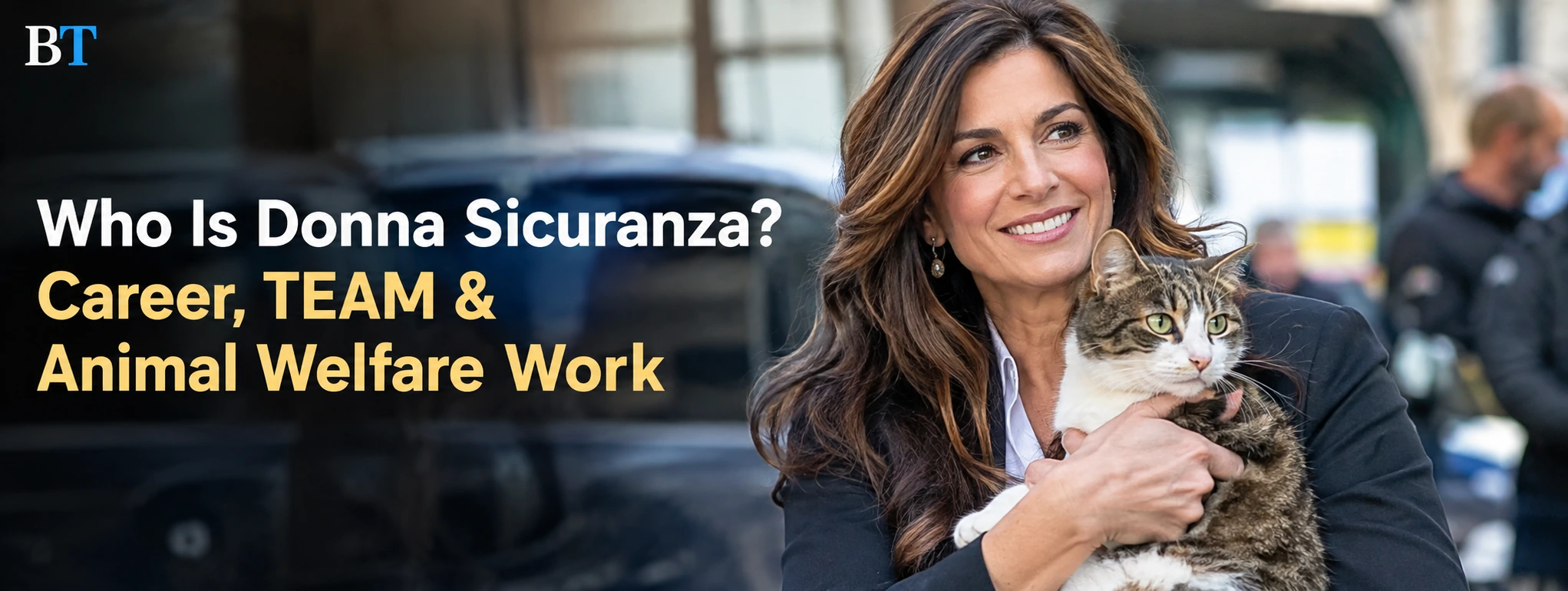
Animal welfare is built on compassion, responsibility, prevention, and consistent community support. Donna Sicuranza is a name closely associated with these values through her long-term work with Tait’s Every Animal Matters, commonly known as TEAM. Based in Westbrook, Connecticut, TEAM has focused on improving access to feline veterinary care, particularly spaying, neutering, and vaccination services. Current organizational information identifies Sicuranza as the organization’s Executive Director, while earlier records use names such as Donna J. Sicuranza.
Unlike public figures who become recognized through entertainment, sports, or social media, Donna Sicuranza developed her public profile through nonprofit leadership and animal welfare. Her professional story demonstrates how practical programs, community outreach, and preventive veterinary care can make a meaningful difference in the lives of animals and the people who care for them.
This article explores her professional background, her connection with TEAM, the importance of mobile feline veterinary services, and the wider impact of preventative animal welfare.
Who Is Donna Sicuranza?
Donna Sicuranza is a Connecticut nonprofit executive whose career has been strongly connected with animal welfare. She is particularly recognized for her work with Tait’s Every Animal Matters and its mobile feline spay and neuter program.
TEAM operates from Westbrook, Connecticut, and its work is centered on helping animals and their caretakers obtain important veterinary services. The organization’s mobile approach has been especially significant because veterinary care is not always easy to access. Transportation, cost, distance, and the availability of veterinary providers can all create barriers for pet owners and people caring for community cats.
Public information also indicates that Sicuranza has a communications background, including experience in writing, editing, and public relations. That experience provides useful context for her nonprofit career because animal welfare organizations depend heavily on communication, public education, fundraising, outreach, and community relationships.
A Career Built Around Service
The career of Donna Sicuranza is notable because it combines communication skills with nonprofit leadership. Animal welfare is not limited to direct medical treatment. Successful organizations also need people who can coordinate programs, communicate with communities, support volunteers, explain their mission, and build long-term public awareness.
Her work illustrates how these different responsibilities can come together around one important goal: improving the welfare of animals through accessible and preventative services.
Donna Sicuranza and Tait’s Every Animal Matters
The strongest part of Donna Sicuranza’s public professional story is her association with Tait’s Every Animal Matters.
TEAM is particularly recognized for its mobile feline clinic. Historical accounts indicate that the mobile program began operating in 1997 and was created to bring feline veterinary services into communities. The approach was designed to make procedures such as spaying, neutering, and vaccinations more accessible.
The idea behind a mobile clinic is straightforward but powerful. Instead of expecting every caretaker to travel to a permanent veterinary facility, selected services can be brought closer to the people and animals who need them.
This can be especially important when working with community cats, feral cats, rescue animals, and households with limited access to transportation.
The Importance of the Mobile Feline Clinic
Mobile veterinary services can play an important role in preventative animal welfare. Spaying and neutering can help reduce unwanted litters, while vaccination can support better animal health and responsible population management.
Historical reporting from Connecticut described TEAM’s mobile feline program as providing affordable services and traveling to different communities. Earlier coverage also reported that tens of thousands of cats had already been sterilized during the program’s early years.
The historical figures should be understood in their original context rather than treated as current pricing or service information. Their main importance is showing how the program developed and how long the organization has focused on preventative feline care.
Donna Sicuranza’s Role in Animal Welfare
Donna Sicuranza’s contribution is best understood through nonprofit leadership rather than as a veterinary practitioner. Public sources identify her with the organizational side of TEAM’s work, while veterinary professionals are responsible for clinical procedures.
This distinction is important because animal welfare depends on many different roles. Veterinarians provide medical expertise, technicians assist with care, volunteers support operations, and nonprofit leaders help maintain programs and public connections.
Sicuranza’s leadership background has therefore been part of a broader team effort.
Five Important Areas of Her Work
The public record surrounding Donna Sicuranza and TEAM highlights several important areas:
- Feline welfare: Supporting programs designed around the health and well-being of cats.
- Preventative care: Promoting services such as spaying, neutering, and vaccination.
- Community access: Helping bring veterinary services closer to communities that may face practical barriers.
- Nonprofit leadership: Supporting the administration and long-term direction of an animal welfare organization.
- Public communication: Using communication and outreach to explain animal welfare needs and connect communities with available services.
Together, these areas show why animal welfare requires more than individual acts of kindness. Sustainable programs need planning, funding, professional expertise, communication, and community participation.
Why Preventative Animal Welfare Matters
One of the most important ideas connected with the work of Donna Sicuranza is prevention.
Animal welfare organizations frequently face problems that have already become urgent. Shelters may receive animals that need medical attention, abandoned cats may require rescue, and unwanted litters can place additional pressure on already limited resources.
Preventative services attempt to address some of these challenges earlier.
Spaying and neutering are particularly relevant to population management. When accessible services are available, caretakers have greater opportunities to prevent unwanted litters. Vaccination and basic veterinary care can also support healthier animals and reduce the likelihood that manageable problems become serious emergencies.
This approach does not replace rescue, adoption, shelter work, or emergency medicine. Instead, it complements those efforts by addressing problems before they grow.
A Community-Based Approach
Community-based animal welfare can be especially effective because local conditions vary. Some areas may have many outdoor cats, while others may have limited veterinary resources or transportation challenges.
A mobile clinic can provide flexibility by bringing services directly into different locations. This model can also help organizations work with rescue groups, caretakers, volunteers, and local communities.
The long-running nature of TEAM’s mobile feline program demonstrates the value of maintaining a consistent community presence.
Donna Sicuranza’s Communications Background
Another interesting part of Donna Sicuranza’s professional story is her earlier experience in writing, editing, and public relations.
Communication may not immediately appear connected to animal welfare, but it is an important part of nonprofit success. Animal organizations need to explain why their work matters and encourage people to participate.
Effective communication can help an organization:
- Explain available services clearly.
- Educate the public about responsible pet care.
- Connect volunteers with meaningful opportunities.
- Build support for fundraising and community programs.
- Share information about animal welfare challenges.
This combination of communication and nonprofit leadership provides useful context for understanding Sicuranza’s career. Her work has not simply involved concern for animals; it has also involved the organizational systems needed to turn that concern into long-term programs.
The Broader Impact of TEAM’s Mission
The significance of Donna Sicuranza’s work can be better understood by looking at the mission of TEAM itself.
Animal welfare programs can have a ripple effect. When a cat receives preventative care, the immediate benefit belongs to that animal. But the effect can extend further. A healthier pet can mean fewer emergency problems for its caretaker. Preventing unwanted litters can reduce pressure on shelters and rescue organizations. Community education can encourage more responsible animal care.
Historical information about TEAM shows that its mobile feline program has operated for decades. Recent public material reports that the organization has sterilized and vaccinated more than 225,000 cats since 1997, although this figure comes from the organization and should be understood as a self-reported program statistic.
That scale illustrates why long-term preventative programs can become important parts of a regional animal welfare system.
Keeping Donna Sicuranza’s Biography Accurate
Searches for Donna Sicuranza can produce information about more than one person with a similar name. This makes accuracy particularly important.
The Donna Sicuranza discussed in this article is the Connecticut nonprofit professional associated with Tait’s Every Animal Matters. Another person named Donna Marie Sicuranza had a different professional history in New York. Details belonging to that individual should not be combined with the biography of the TEAM executive.
There are also recent references using the name Donna Sicuranza Marconi for the TEAM executive. Current organizational information uses that name, while historical records have used Donna Sicuranza or Donna J. Sicuranza.
For this reason, reliable professional records are more useful than unsupported claims about private matters such as age, family history, or personal finances.
What Makes Donna Sicuranza’s Work Meaningful?
The value of Donna Sicuranza’s career is found in its long-term community focus.
Animal welfare can sometimes receive attention only when a dramatic rescue story appears in the news. However, much of the most valuable work happens quietly. Preventative veterinary services, community education, nonprofit administration, and population management may not always produce dramatic headlines, but they can have lasting effects.
The work associated with TEAM demonstrates the importance of making practical services available before animals reach a crisis point.
It also highlights a powerful lesson: compassion becomes more effective when it is supported by organization, expertise, accessibility, and consistent action.
Frequently Asked Questions
Who is Donna Sicuranza?
Donna Sicuranza is a Connecticut nonprofit executive associated with Tait’s Every Animal Matters (TEAM). She is best known for her long-term connection with the organization and its feline welfare programs.
What is Donna Sicuranza known for?
She is primarily known for nonprofit leadership and her work connected with TEAM’s mobile feline spay, neuter, and vaccination services.
What is Tait’s Every Animal Matters?
Tait’s Every Animal Matters, commonly called TEAM, is a Connecticut animal welfare organization associated with feline veterinary services and community-based animal care.
When did TEAM’s mobile feline clinic begin?
Historical sources indicate that the TEAM Mobile Feline Unit began operating in 1997.
Is Donna Sicuranza the same person as Donna Marie Sicuranza?
No. Available information indicates that these are different individuals with different professional histories. The Donna Sicuranza discussed here is associated with TEAM and animal welfare in Connecticut.
Final Thoughts
The story of Donna Sicuranza is primarily a story of long-term service, nonprofit leadership, and practical animal welfare. Her professional career is closely connected with Tait’s Every Animal Matters and its effort to make feline veterinary care more accessible through community-based programs.
Her background in writing, editing, and public relations also demonstrates that animal welfare requires more than veterinary expertise. Strong communication, organization, outreach, leadership, and community involvement can all help transform an important mission into a sustainable program.
The mobile feline clinic associated with TEAM represents a preventative approach to animal care. By focusing on services such as spaying, neutering, and vaccination, the organization addresses important welfare challenges before they become larger problems.
Ultimately, Donna Sicuranza’s work offers an inspiring example of how consistent nonprofit leadership can support animals and the people who care for them. Her story is not simply about one individual; it reflects the dedication of veterinary professionals, volunteers, caretakers, rescue communities, and nonprofit organizations working together toward a healthier and more compassionate future for animals.